
Vessel refurbishment

LPG vessel refurbishment, from 450 to 9,000 litres.

More than 6,000 vessels have been through our Halifax workshop: stripped by pyrolysis, cleaned on automated shot-blasting lines, examined, upgraded and coated in enclosed spray booths. Every stage is recorded on our digital quality platform, and every vessel returns to service with the PVS seal of approval.

Refurbished
6,000+ vessels
Stripping
In-house pyrolysis
Blasting
Automated lines
Coating
Zinc primer and top coat
Examination
TM73
Quality
Digital platform
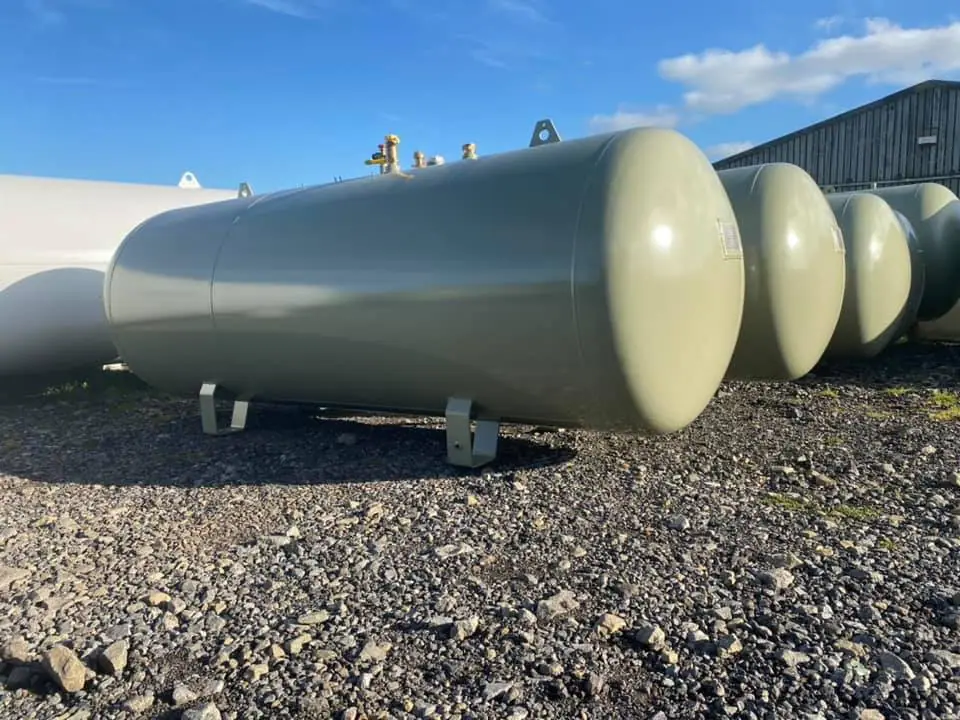
Refurbished LPG vessels on gravel, ready to return to service
Ready for service
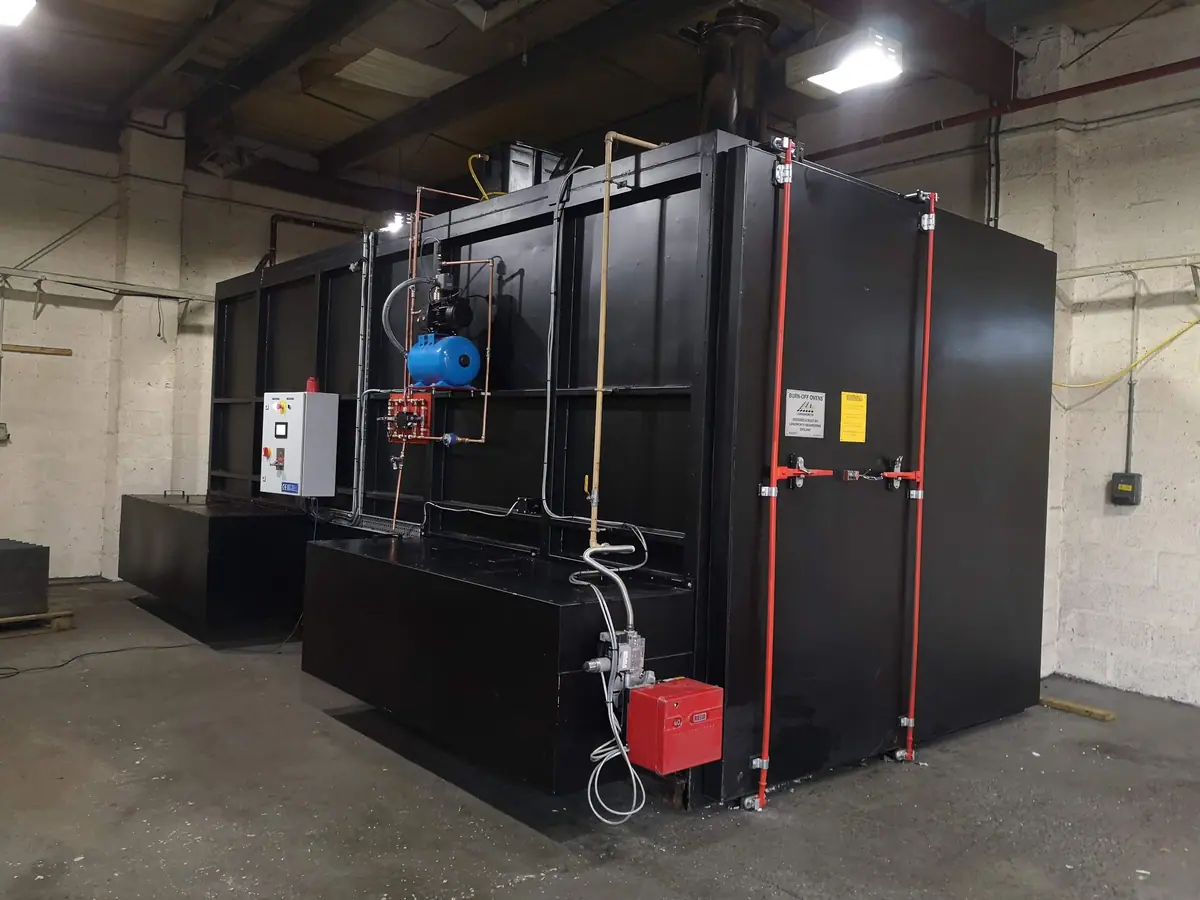
The PVS pyrolysis unit inside the workshop
Pyrolysis unit
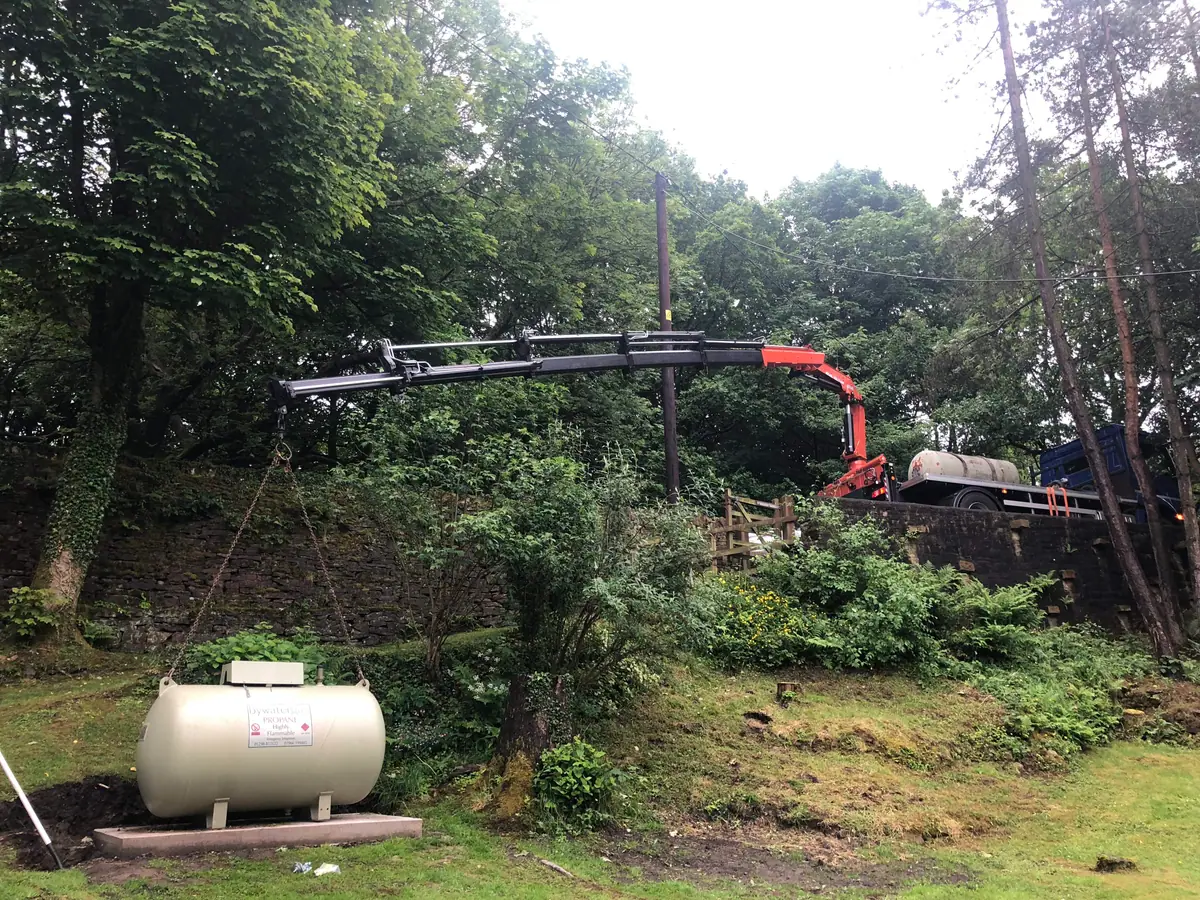
A crane lorry lifting an LPG vessel from a wooded site
Collected from site

The process

Six stages. One standard on every vessel.

The order matters: each stage prepares the vessel for the next, so the coating bonds properly and every examination happens on clean steel. Every stage is recorded on our digital quality platform.

  1. Strip

    Our pyrolysis unit removes powder coatings and contaminants, taking the vessel back to a workable surface quickly and consistently.

  2. Blast

    Bead and shot blasting on our automated lines cleans the shell to Sa 2.5, with a minimum 50 micron blast profile for the primer to key into.

  3. Examine

    Our highly qualified engineers put every vessel through rigorous safety tests and examinations to TM73, with results recorded digitally.

  4. Upgrade

    Valve plates are upgraded to the universal stud pattern, and vessels are fitted with colour-coded durable galvanised steel lids.

  5. Prime

    A zinc primer coat is applied in our enclosed spray booths for corrosion protection.

  6. Finish

    An industry-leading top coat, sprayed in an enclosed booth, taking primer and top coat to at least 200 microns combined. The vessel leaves with the PVS seal of approval.

Coating section: steel shell shot blasted to Sa 2.5 with a minimum 50 micron blast profile, then zinc primer and top coat with a combined thickness of at least 200 microns COATING SECTION · NOT TO SCALE TOP COAT ZINC PRIMER PRIMER + TOP COAT min. 200 µm combined STEEL SHELL Shot blasted to Sa 2.5 Min. blast profile 50 µm
  • Shot blasted to Sa 2.5 on automated lines, min. 50 µm profile
  • Universal stud pattern upgrade
  • Colour-coded galvanised steel lids fitted
  • Zinc primer in enclosed spray booths
  • Primer and top coat of at least 200 microns combined
  • Every stage recorded on our digital platform
The PVS pyrolysis unit with its gas train, burner and control panel
Pyrolysis unit · Halifax workshop

The workshop

Equipment built for volume.

Refurbishing thousands of vessels to one standard takes a workshop designed for throughput and consistency.

  • Strip

    Pyrolysis unit

    A state-of-the-art pyrolysis machine removes powder coatings and contaminants before blasting, quickly and consistently.

  • Blast

    Automated shot-blasting lines

    Bead and shot blasting on automated lines gives every shell the same clean surface, to Sa 2.5 with a minimum 50 micron profile, batch after batch.

  • Coat

    Enclosed spray booths

    Primer and top coat are applied in enclosed booths, away from dust and weather, for an even primer and top coat of at least 200 microns combined.

Quality management

Every vessel, tracked on one digital platform.

Our quality management process runs on a state-of-the-art digital platform that brings asset management, quality control and recertification together.

  • Assets

    Asset management

    Each vessel is logged and tracked as it moves through the workshop, from intake to dispatch.

  • QC

    Quality control

    Checks at every stage are recorded against the vessel, so nothing leaves without sign-off.

  • Recert

    Recertification

    Recertification is managed and documented on the same platform, alongside the vessel’s history.

Vessel recordIllustrative example
Vessel
LPG · 2,200 L
Coating
≥ 200 µm
Status
Returned to service
  1. StripPyrolysis unit
  2. BlastShot blasted to Sa 2.5
  3. ExamineTM73 examination
  4. UpgradeStud pattern · galvanised lid
  5. PrimeZinc primer · spray booth
  6. FinishPrimer + top coat ≥ 200 µm
  7. RecertifyRecertification documented
Asset management · Quality control · Recertification
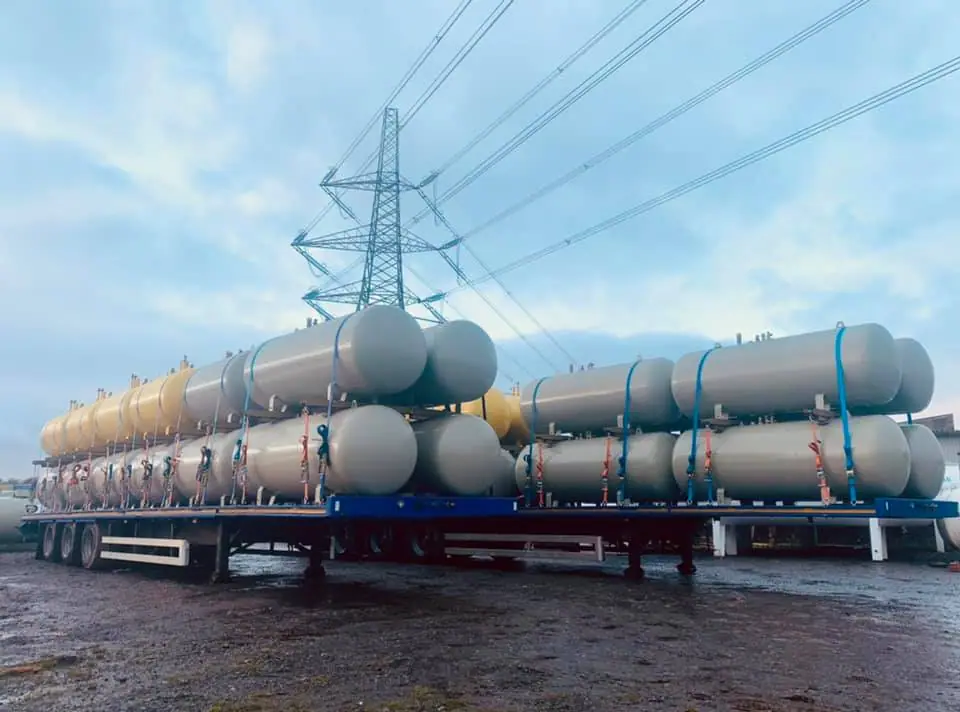
A trailer loaded with LPG vessels for collection and return
Collection and return

Batches

Collected, refurbished, returned.

Our haulage fleet uplifts vessels from your sites or depot and brings them back once refurbished, so a batch of returned vessels becomes deployable stock again without you arranging transport.

Specialist haulage

Questions

Refurbishment, answered.

Something we haven't covered? Read the LPG vessel buyer’s guide or call 01422 201331 and speak to the team.

Who refurbishes LPG vessels in the UK?

Pressure Vessel Services (PVS) refurbishes LPG vessels from 450 to 9,000 litres at its workshop in Halifax, West Yorkshire, and has returned more than 6,000 to service. Each vessel is stripped by pyrolysis, shot blasted on automated lines, examined to TM73, upgraded and recoated in enclosed spray booths.

Should I refurbish or replace an LPG vessel?

Refurbishment is the cost-effective way to return a sound used vessel to service, while a new vessel suits new installations and specified projects. Our buyer’s guide compares the two.

What size vessels can you refurbish?

We refurbish LPG vessels from 450 to 9,000 litres.

What does a PVS refurbishment include?

Stripping in our pyrolysis unit where needed, bead and shot blasting on our automated lines to Sa 2.5 with a minimum 50 micron blast profile, testing and examination to TM73 by qualified engineers, an upgrade to the universal stud pattern with colour-coded durable galvanised steel lids, then zinc primer and top coat with a combined thickness of at least 200 microns, both applied in enclosed spray booths.

How do you manage quality and recertification?

Our quality management process runs on a state-of-the-art digital platform for asset management, quality control and recertification. Each vessel is recorded as it moves through the workshop, so its checks and recertification are documented in one place.

How many vessels have you refurbished?

More than 6,000 LPG vessels have been through our Halifax facility. Every one leaves with the PVS seal of approval.

Can you collect vessels and return them after refurbishment?

Yes. Our own haulage fleet can uplift vessels from site and deliver them back once refurbished. Tell us how many vessels you have and where they are when you enquire.

Why use pyrolysis?

Pyrolysis removes powder coatings and contaminants from the vessel before blasting. It makes stripping faster and more consistent, which keeps refurbishment cost-effective.

01422 201331Request a quote